%2Ffit-in%2F250x250%2Fguide_websites%2F1025%2Fimages%2F1718222945600flight_risk.png&w=1920&q=100)
/users/b7d5f234-3fa9-444c-9b24-b57b6ab6a8ce/ratecard/beg-miyftfzk.jpg)
%2F300x300%2Fusers%2Fb7d5f234-3fa9-444c-9b24-b57b6ab6a8ce%2Fratecard%2Fbeg-miyftfzk.jpg&w=256&q=75)
%2F300x300%2Fusers%2Fb7d5f234-3fa9-444c-9b24-b57b6ab6a8ce%2Fimages%2Fredfish-caught-fishing-fl-3383.jpg&w=256&q=75)
%2F300x300%2Fusers%2Fb7d5f234-3fa9-444c-9b24-b57b6ab6a8ce%2Fimages%2Fredfish-caught-florida-3354.jpg&w=256&q=75)
%2F300x300%2Fusers%2Fb7d5f234-3fa9-444c-9b24-b57b6ab6a8ce%2Fimages%2Fspotted-weakfish-fishing-florida-3333.jpg&w=256&q=75)
%2F300x300%2Fusers%2Fb7d5f234-3fa9-444c-9b24-b57b6ab6a8ce%2Fimages%2Fmarina-way-mackerel-weakfish-fishing-3962.png&w=256&q=75)
%2F300x300%2Fusers%2Fb7d5f234-3fa9-444c-9b24-b57b6ab6a8ce%2Fimages%2Fspotted-weakfish-holmes-beach-fishing-9815.png&w=256&q=75)
%2F300x300%2Fusers%2Fb7d5f234-3fa9-444c-9b24-b57b6ab6a8ce%2Fimages%2Ftwo-big-fish-holmes-beach-3420.jpg&w=256&q=75)
%2F300x300%2Fusers%2Fb7d5f234-3fa9-444c-9b24-b57b6ab6a8ce%2Fimages%2Fspotted-weakfish-holmes-beach-3391.jpg&w=256&q=75)
%2F300x300%2Fusers%2Fb7d5f234-3fa9-444c-9b24-b57b6ab6a8ce%2Fimages%2Fspotted-weakfish-holmes-beach-3361.jpg&w=256&q=75)
%2F300x300%2Fusers%2Fb7d5f234-3fa9-444c-9b24-b57b6ab6a8ce%2Fimages%2Fspotted-weakfish-holmes-beach-2964.jpg&w=256&q=75)
%2F300x300%2Fusers%2Fb7d5f234-3fa9-444c-9b24-b57b6ab6a8ce%2Fimages%2Fspotted-weakfish-holmes-beach-2971.jpg&w=256&q=75)
Anna Maria Island Beginner Fishing Adventure
 Anna Maria Island, Florida, USA
What you will be catching:
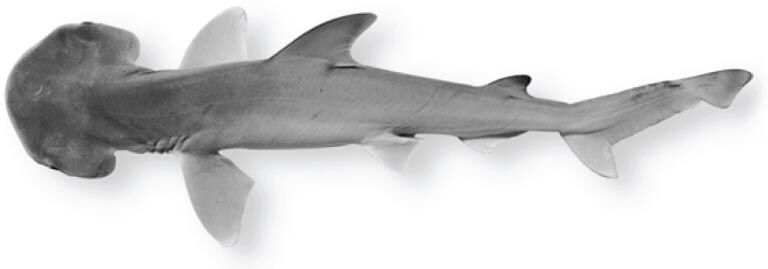
 Blacktip Shark
 Bonnethead Shark
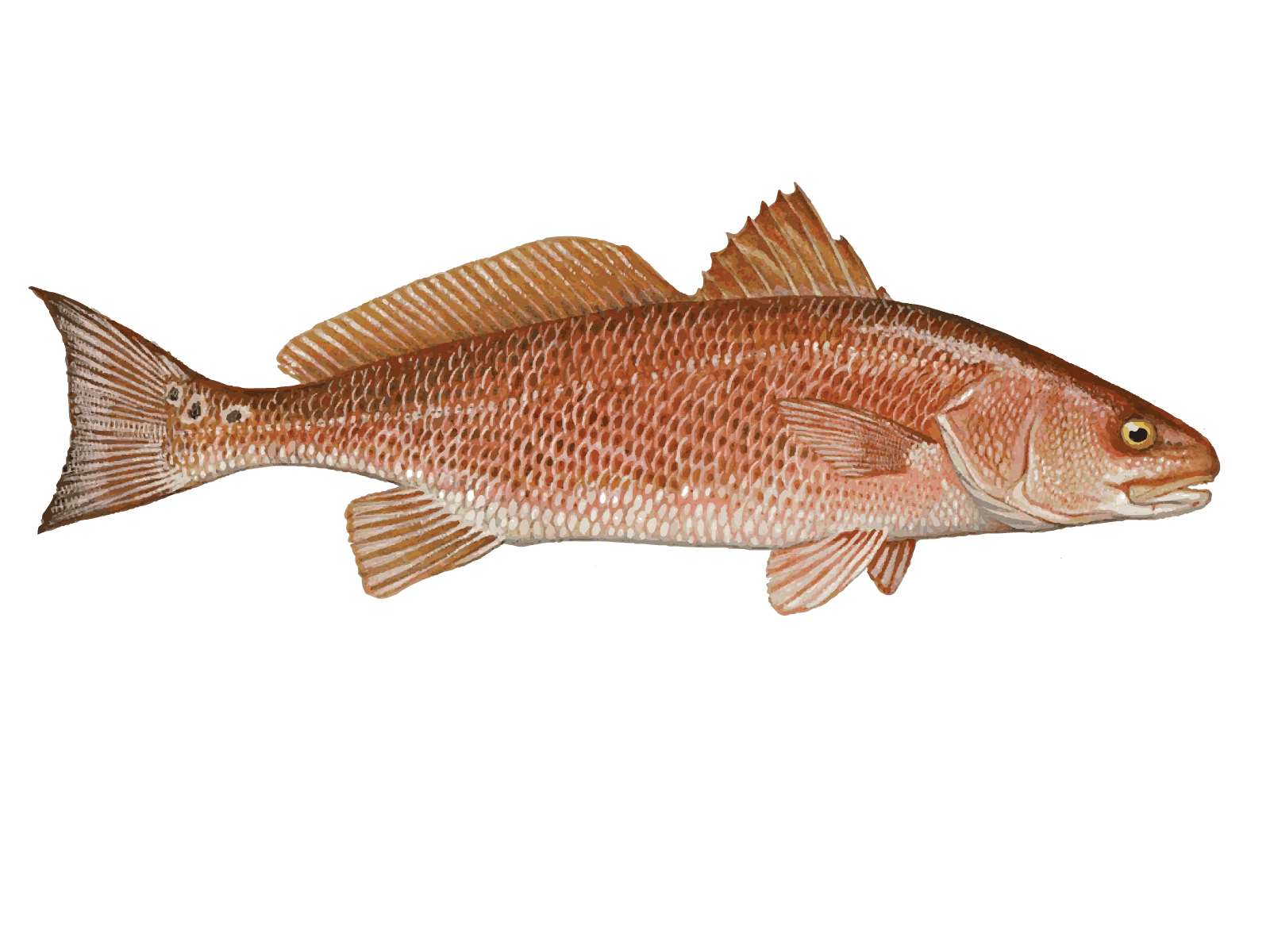
 Redfish
 Sea Trout
 Summer Flounder
- 5-hour beginner-friendly saltwater fishing experience on Anna Maria Island
- Expert instruction targeting redfish, snook, trout, and mangrove snapper species
- Patient, pressure-free learning environment with private boat charter service
Trip Pricing and Availabilities:
Cast Away on Anna Maria Island: Beginner's Fishing Paradise
Ready to wet a line but not sure where to start? Our half-day trip on Anna Maria Island is tailor-made for newcomers to the fishing scene. Captain Norvin Eubank knows these waters like the back of his hand and he's got a knack for helping first-timers land their first catch. Over five laid-back hours, you'll learn the ropes of saltwater fishing, targeting some of Florida's most sought-after inshore species. Whether you're looking to reel in your first redfish or just want to soak up some sun on the water, this trip's got you covered.
What to Expect on the Water
Picture this: You're cruising the crystal-clear shallows around Anna Maria Island, rod in hand, with Captain Norvin at the helm. He'll start you off with the basics – how to bait your hook, cast your line, and read the water. Don't worry if you've never held a fishing rod before; Norvin's patient approach means you'll be fishing like a pro in no time. We'll hit up some prime spots where redfish, snook, and trout love to hang out. And who knows? You might even hook into a shark for some real beginner's luck! The beauty of inshore fishing is that the action is often just a cast away from shore, so you won't have to contend with big waves or long runs to find fish.
Fishing 101: Gear and Techniques
On this trip, we keep things simple and effective. You'll be using light tackle setups – perfect for feeling those subtle bites and practicing your technique. Captain Norvin will show you how to use live bait, which is like ringing the dinner bell for hungry fish. You'll learn the art of sight fishing, where we actually spot the fish before casting to them (it's like underwater hunting!). We might do some drift fishing over grass flats or anchor up near mangrove shorelines where the big ones hide. The key here is versatility – we'll adapt our approach based on what the fish are doing that day. And don't sweat it if you're all thumbs at first; by the end of the trip, you'll be working that rod and reel like you've been doing it for years.
Species You'll Want to Hook
Redfish: These copper-colored beauties are a staple of inshore fishing around Anna Maria Island. They love to cruise in shallow water, often with their tails sticking out of the surface (we call that "tailing"). Redfish put up a great fight and are perfect for beginners because they're not too picky about bait. The best part? They're delicious if you decide to keep one for dinner.
Sea Trout: Also known as speckled trout, these guys are the bread and butter of inshore fishing. They're abundant, bite readily, and are a blast to catch on light tackle. Sea trout have soft mouths, so landing them takes a bit of finesse – it's great practice for developing your feel on the rod. Look for them around grass flats and oyster bars.
Summer Flounder: These flatfish are masters of camouflage, blending in perfectly with the sandy bottom. Catching flounder is all about patience and a slow retrieve. When you hook one, it feels like you're reeling in a dinner plate – they put up a unique, spiraling fight. They're most active in the warmer months, hence the name "summer flounder."
Bonnethead Shark: Don't let their small size fool you – bonnetheads pack a punch! These little cousins of the hammerhead shark are common in the shallows around Anna Maria Island. They're fast, feisty, and will give you a run for your money on light tackle. Catching a shark on your first fishing trip? Now that's a story to tell!
Blacktip Shark: For a real adrenaline rush, nothing beats hooking into a blacktip. These sharks are known for their acrobatic leaps and blistering runs. While we target them, landing a blacktip is considered a bonus on this beginner-friendly trip. Just seeing one of these sleek predators in action is a thrill you won't forget.
Why Anglers Keep Coming Back
Anna Maria Island isn't just a fishing spot; it's a slice of Old Florida paradise. The calm, clear waters are perfect for learning, and the variety of fish means there's always something biting. Captain Norvin's local knowledge ensures you're not just fishing, but getting an insider's tour of the area's ecology. You might spot dolphins, manatees, or ospreys while you're out there. And let's be honest – there's something special about that first-fish feeling. Whether it's a feisty redfish or a scrappy trout, the grin on your face when you reel one in is what keeps folks coming back for more.
Time to Book Your Spot
Look, we all have to start somewhere, and this trip is the perfect launching pad for your fishing adventures. With Captain Norvin's know-how, the rich waters of Anna Maria Island, and a boatload of patience, you're set up for success. Whether you're looking to pick up a new hobby, want to surprise your fishing-obsessed partner, or just need an excuse to spend a morning on the water, this trip fits the bill. So why not give it a shot? The fish are biting, the sun is shining, and there's a spot on the boat with your name on it. Book now, and let's make some fishing memories!
Learn more about the animals
Blacktip Shark
Blacktip sharks are one of our most common inshore sharks, usually running 4-5 feet and 30-50 pounds. They're fast, acrobatic fish known for their spectacular leaps when hooked. Look for them in coastal waters, especially around bait schools in 20-100 feet of depth. They're most active in warmer months but can be caught year-round. Anglers love targeting blacktips for their hard fights and aerial displays. To catch one, use a chunk of oily fish like mackerel or mullet on a wire leader. Chum helps attract them. Blacktips often hunt in packs, so multiple hookups are possible. One local tip: watch for birds diving on bait schools - blacktips are often feeding below. Remember, these are powerful fish, so use heavy tackle and be prepared for a long battle. Always handle sharks with care and release them quickly if you're not keeping them.
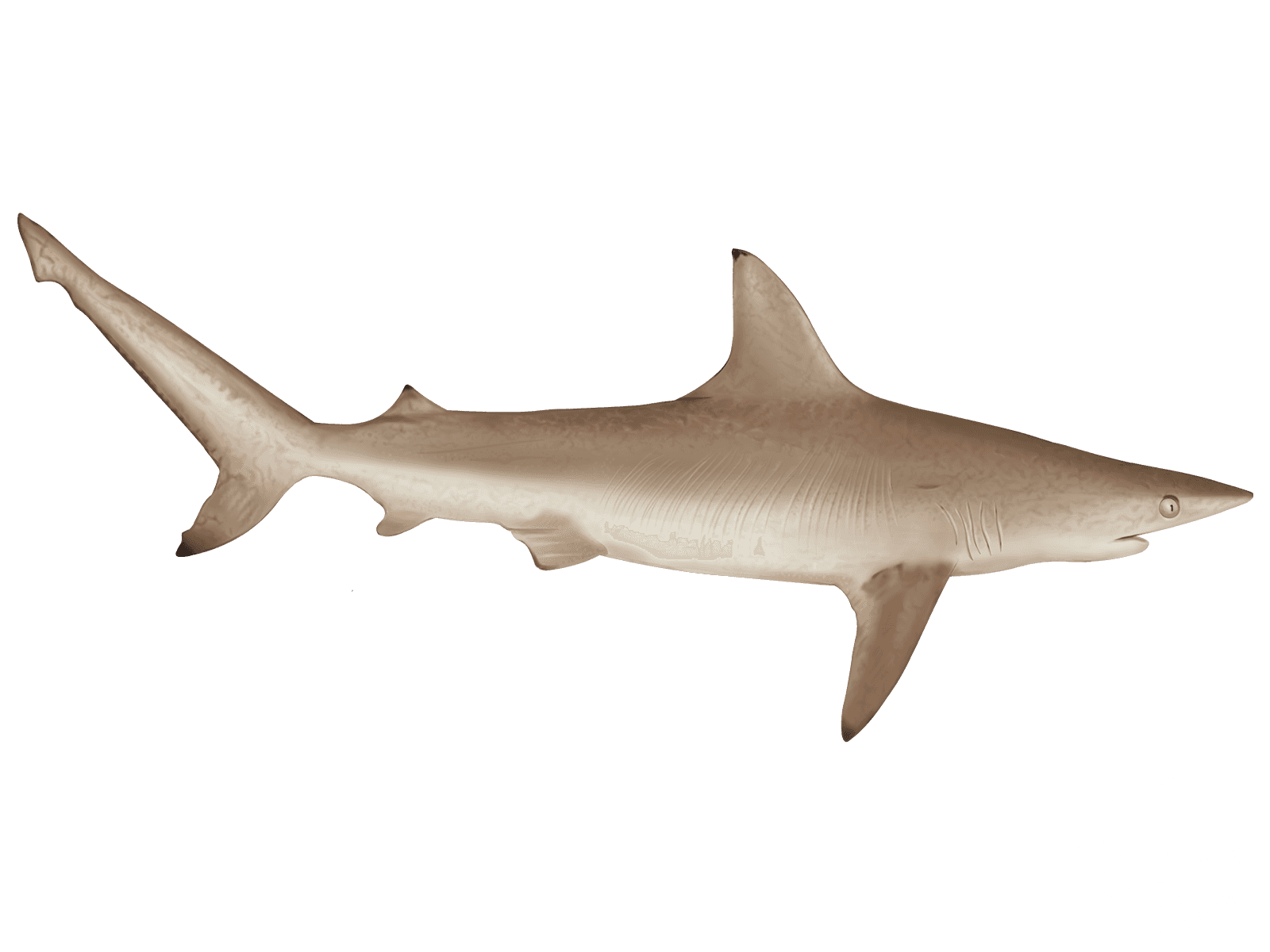
Bonnethead Shark
Bonnethead sharks are the smallest of the hammerhead family, usually 3-4 feet long and 5-15 pounds. They're common in our shallow coastal waters, especially around sandbars and grass flats. Unlike their bigger cousins, bonnetheads are pretty docile - they mostly eat crabs and small fish. Spring and summer are prime times to catch them, when they school up in big numbers. Anglers like targeting bonnetheads because they're abundant, put up a good fight for their size, and are one of the few sharks that's good eating. To catch one, use a chunk of fresh blue crab on a circle hook with a short wire leader. Fish it on the bottom in 3-10 feet of water. Here's a local trick: look for them cruising in schools on sunny days - you can often spot their distinctive shovel-shaped heads breaking the surface.
Redfish
Redfish, or red drum, are one of our most popular inshore species. They typically run 20-30 inches and 6-15 pounds, though bull reds over 40 inches aren't uncommon. Look for them in shallow flats, around oyster bars, and near mangroves, often in just a foot or two of water. They're most active in fall and spring, but you can catch them year-round here. Redfish are known for their powerful runs and stamina - even smaller ones put up a great fight. They're also excellent table fare. To catch them, try live or cut bait like mullet or pinfish on the bottom, or use artificial lures like gold spoons or soft plastics. One local tip: sight-fishing for tailing reds in shallow water is exciting and productive. Look for their copper-colored backs or tails breaking the surface as they root for crabs and shrimp in the grass flats.
Sea Trout
Sea trout, also called spotted or speckled trout, are a favorite inshore target here. Most run 14-24 inches and 1-5 pounds, though trophy fish over 10 pounds aren't unheard of. Look for them around grass flats, oyster bars, and deeper channels, especially early mornings and evenings. They're aggressive feeders, chasing baitfish and shrimp. Anglers love their hard strikes and acrobatic jumps when hooked. Sea trout are also excellent eating, with a mild, flaky white meat. To catch them, try live shrimp under a popping cork or soft plastic jigs worked slowly along the bottom. Topwater lures at dawn can produce exciting strikes. One local trick: fish the edges of grass flats on an outgoing tide, where trout often ambush prey being swept out with the current. Remember, these fish have soft mouths, so set the hook gently to avoid tearing out.
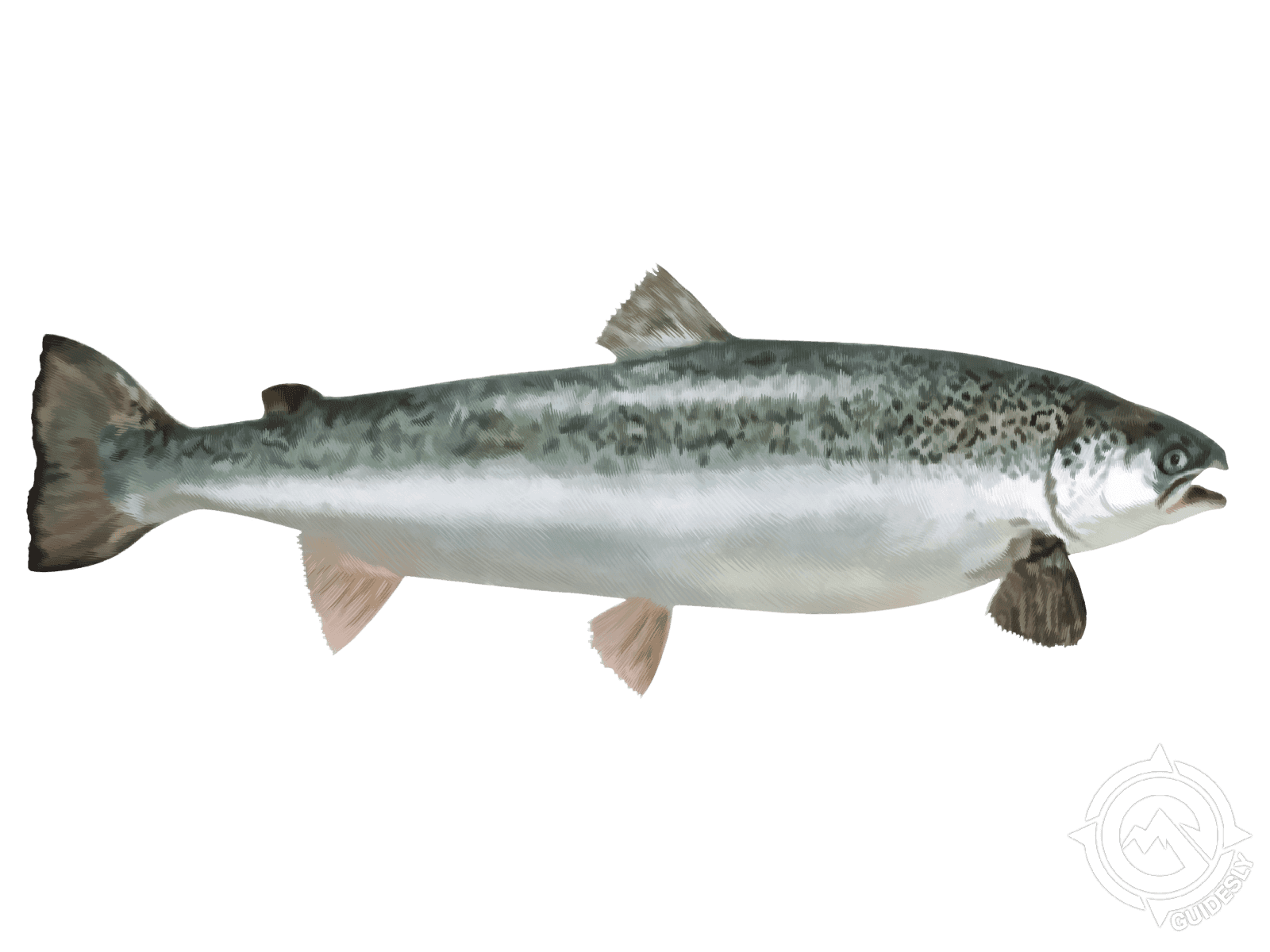
Summer Flounder
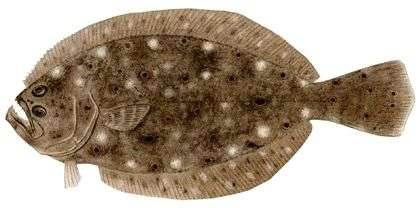
Summer flounder are a unique flatfish with both eyes on the left side. They average 15-20 inches but can reach 26 pounds. These masters of camouflage blend into sandy or muddy bottoms in coastal waters. Look for them in bays, estuaries, and near-shore areas, especially from spring to fall. They're ambush predators, lying in wait for smaller fish and crustaceans. Anglers love targeting flounder for their delicate, mild flavor and the challenge of hooking them. They put up a good fight on light tackle too. To catch one, try drifting or slow-trolling with live bait like minnows or mullet. A circle hook works well since flounder tend to inhale their prey. Fish the bottom and be patient - when you feel a bite, give it a few seconds before setting the hook. That's often the key to landing these tasty flatfish.
About the Flight Risk Charters
%2F%2Fusers%2Fb7d5f234-3fa9-444c-9b24-b57b6ab6a8ce%2Fvehicle_picture%2Ff3bcf316-37da-451f-88e9-68360d0af602.jpg&w=1920&q=75)
Vehicle Guest Capacity: 4
Manufacturer Name: Yamaha 250 SHO engine
Maximum Cruising Speed: 60
Number of Engines: 1
Horsepower per Engine: 250